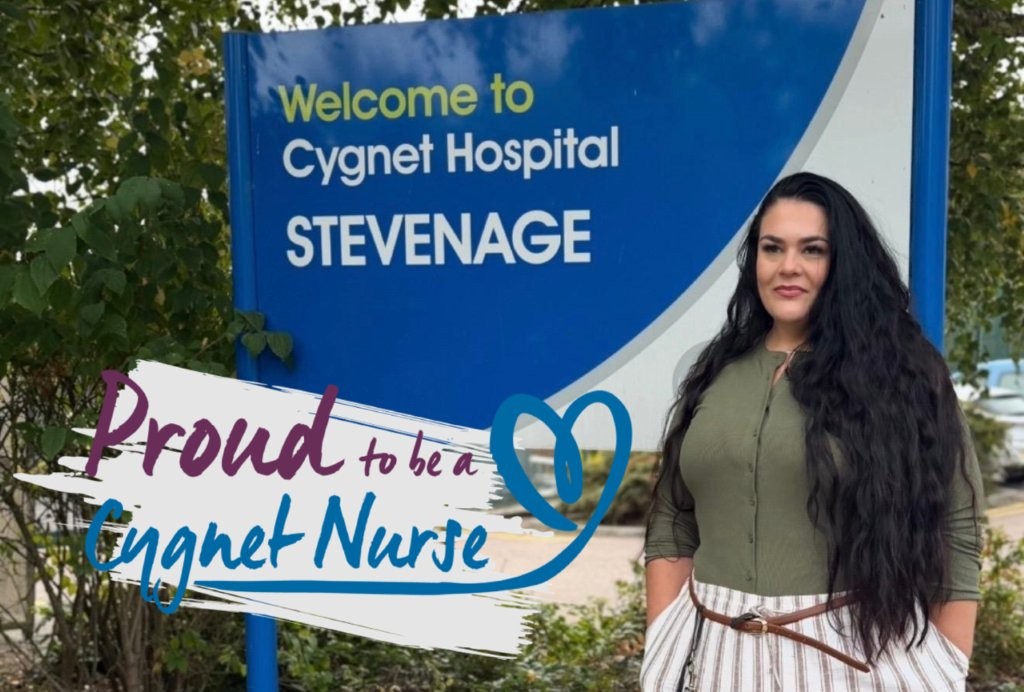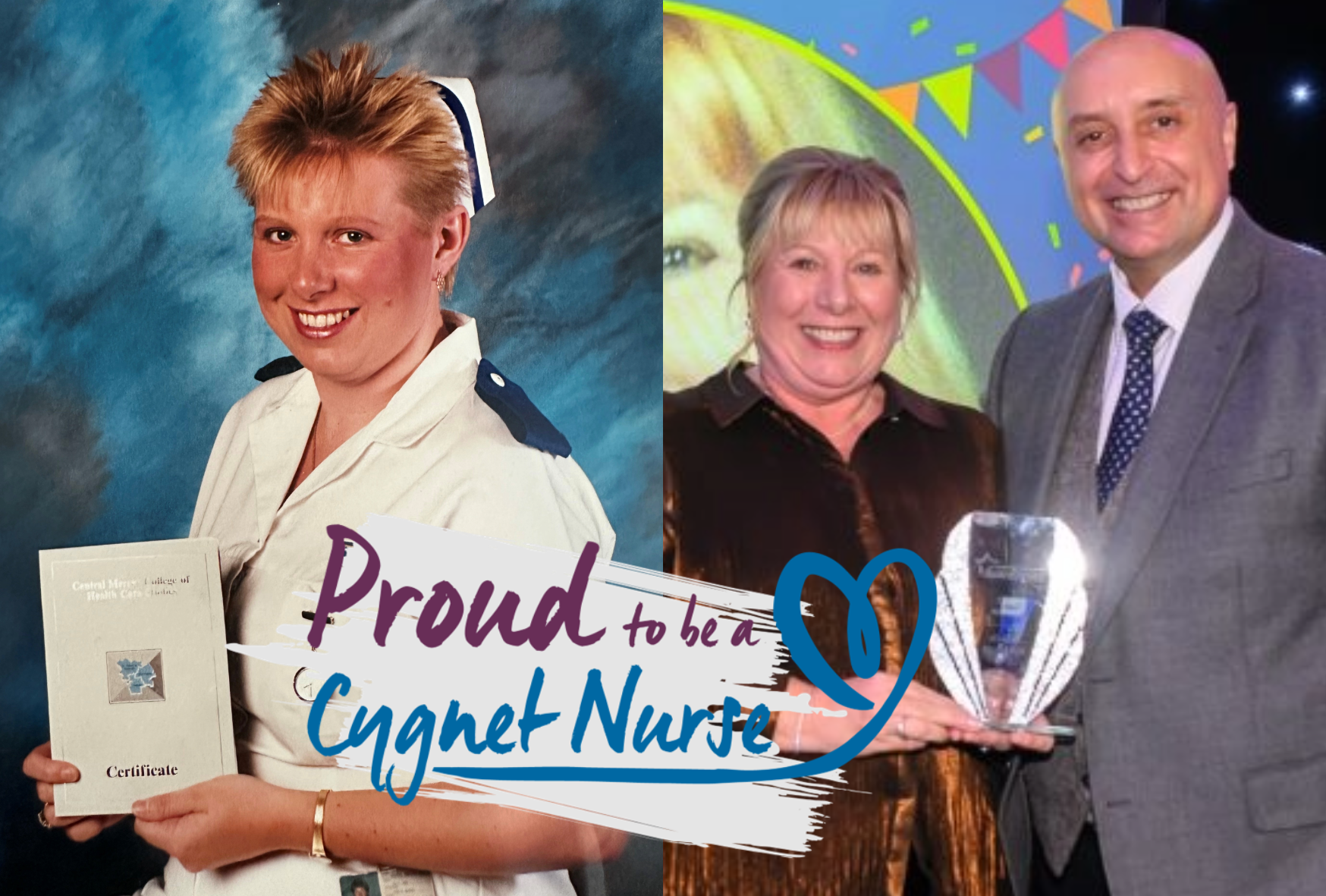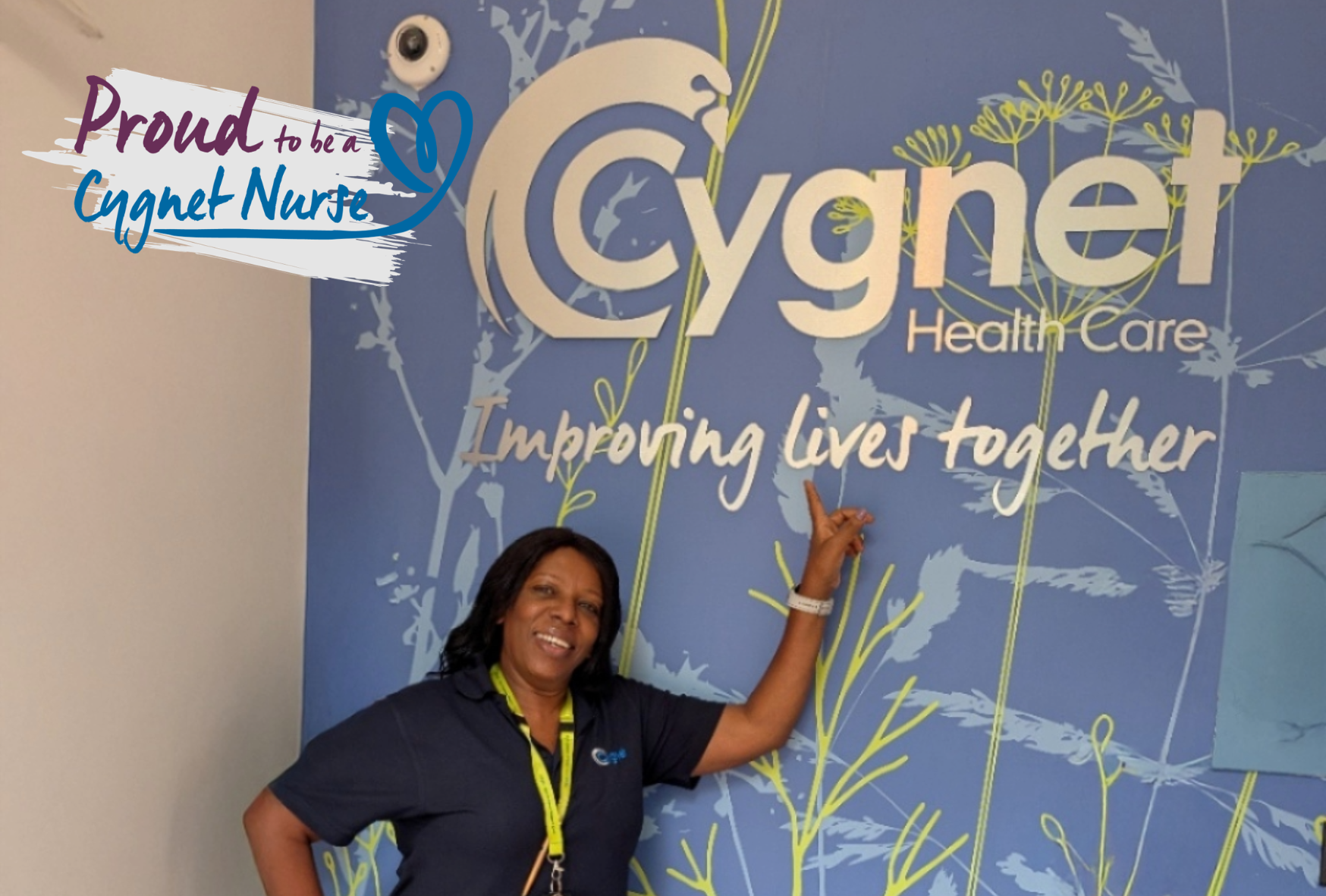
Phases in a journey of leadership, resilience and growth: Reflections from Emily Osman, Registered Mental Health Nurse/Clinical Team Leader, Cygnet Hospital Harrow, on why she is Proud to be a Cygnet Nurse.
Nursing is often described as a vocation rather than a job. It is a journey marked by continuous learning, personal growth, resilience, and compassion.
I have experienced many phases as a nurse that have shaped me into the leader and clinician I am today, and there are many reasons why I am Proud to be a Cygnet Nurse.
With over ten years of experience working within mental health services, my specialist areas have been Psychiatric Intensive Care Units (PICU) and Acute Mental Health Services. However, my career journey has also taken me into other areas of mental health care, each bringing valuable learning experiences and opportunities for professional development.
I joined Cygnet Hospital Harrow as a Clinical Team Leader on a PICU ward. However, an opportunity arose to become a Team Leader on an Autism and Learning Disability Locked Rehabilitation Ward. I knew this field was different, but I embraced the challenge, recognising it as an opportunity to develop my leadership skills and broaden my clinical expertise.
At the outset, the ward environment was relatively calm. There were few incidents, and dysregulated patients were effectively managed through verbal de-escalation. Many of the patients were subsequently discharged, and the team focused on acquiring referrals. During this period, I was able to build relationships with patients and staff while familiarising myself with the ward’s operational needs and individual patient care plans.
As time progressed, the dynamics of the ward began to change. Referrals increasingly involved patients with more complex presentations and significant risks associated with violence and aggression. This rise in patient acuity required a deeper understanding of individual risks, triggers, and care plans to ensure safe and effective care delivery. The challenges facing the team became more apparent, and incidents increased in frequency and severity.
The impact on staff morale was noticeable. Several colleagues experienced injuries following incidents and required time off work to recover. This led to increased staff absence, creating additional pressures on those remaining on duty. During this challenging period, leadership became more important than ever.
As a Team Leader, I recognised the importance of remaining visible, approachable and supportive. Staff needed reassurance that their concerns regarding safety were being heard and addressed. Whilst management worked towards implementing solutions, my responsibility was to maintain a safe environment, promote best practice and provide ongoing support to the team.
Despite sustaining injuries myself during some incidents, I remained committed to supporting the ward and my colleagues. I chose not to take time away from work because I understood the importance of stability and leadership during a difficult period. By remaining present on the ward, working alongside staff and providing guidance during challenging situations, I was able to help foster confidence and resilience within the team.
One of the most valuable lessons I learned was the importance of recognising patient cues early and intervening proactively. Demonstrating confidence, warmth and reassurance not only supported patients but also encouraged staff to remain calm and focused during periods of heightened risk. Through consistent communication and support, the team gradually began to regain confidence and cohesion.
An equally important factor in overcoming these challenges was the strength of our multidisciplinary team (MDT).
Effective collaboration between nursing staff, psychiatrists, psychologists, occupational therapists and other professionals ensured that concerns were promptly escalated and critical decisions were made in a timely manner.
This collaborative approach enabled us to respond effectively to patient needs while maintaining a focus on safety and quality of care.
Throughout this experience, I relied heavily on critical thinking and problem-solving skills.
Nursing is rarely predictable, and every situation requires careful assessment, sound judgement and the ability to adapt quickly.
Being flexible and willing to learn allowed me to develop new competencies and strengthen existing skills. It also reinforced the importance of upholding Cygnet’s values while maintaining professionalism and high standards of care.
The combined efforts of the entire team eventually resulted in significant positive outcomes. There was a noticeable reduction in enhanced observation levels across the ward, reflecting improvements in patient stability and risk management. Through careful clinical decision-making and effective escalation processes, I was able to highlight when patients required transfer to more appropriate environments better suited to their complex needs.
Reflecting on this journey, I recognise that nursing consists of many phases – learning, adapting, leading, overcoming challenges and achieving positive outcomes.
Each phase contributes to professional growth and strengthens the ability to provide effective, compassionate care.
For me, success in nursing is not measured solely by clinical outcomes but also by the ability to inspire confidence, support colleagues, and remain dedicated to patients during the most challenging times. Resilience, compassion, adaptability, and professionalism are the qualities that define an effective nurse and leader.
My experiences have reinforced the belief that when teams work together with a shared purpose, even the most demanding challenges can be overcome, ultimately improving outcomes for both patients and staff.
Nursing continues to be a journey of growth, and each new challenge presents an opportunity to learn, lead, and make a meaningful difference in the lives of others.