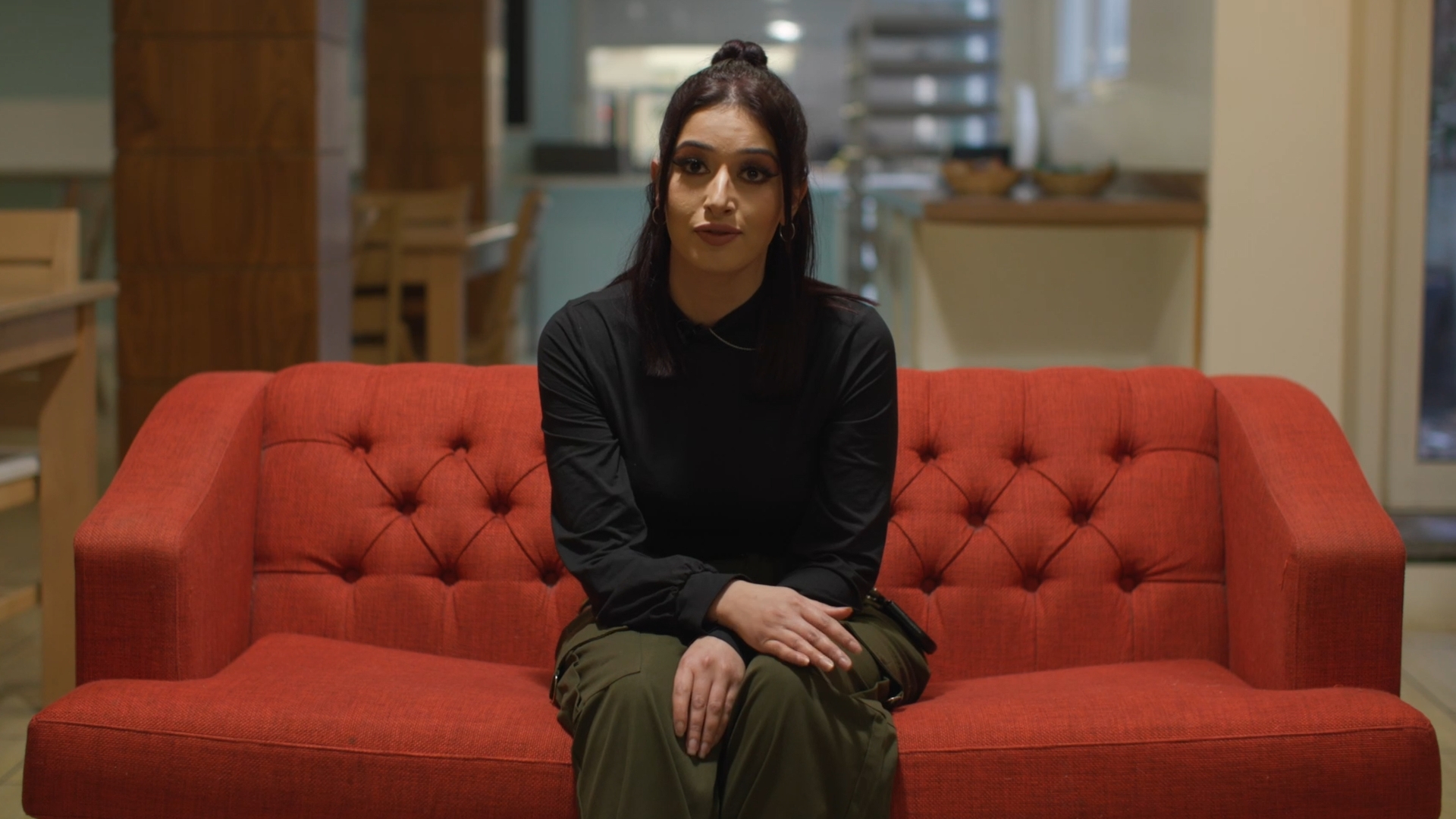
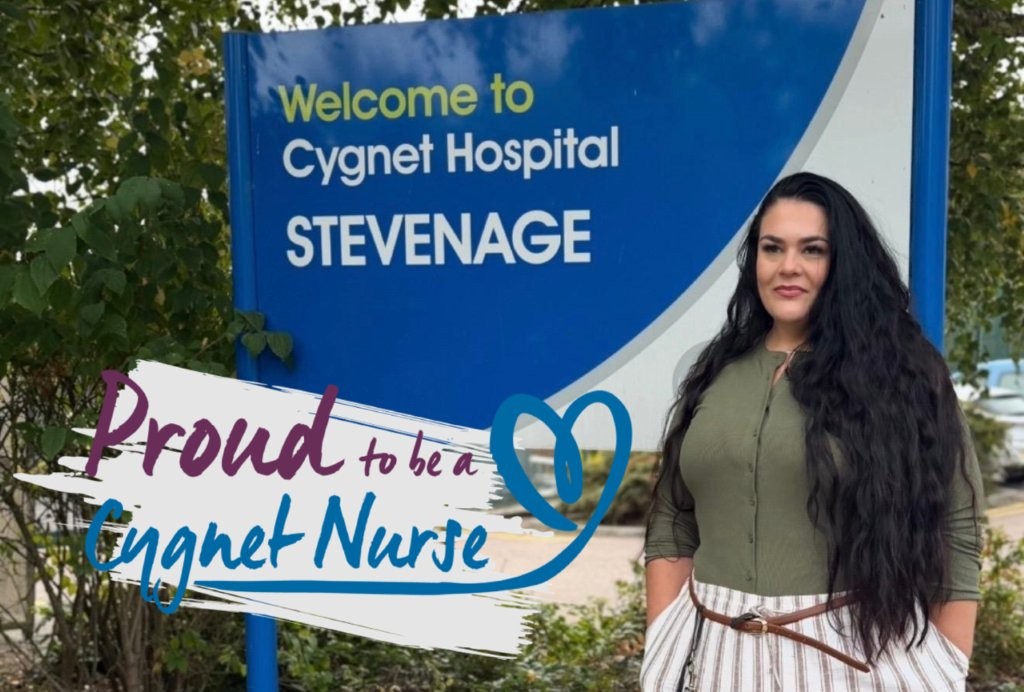
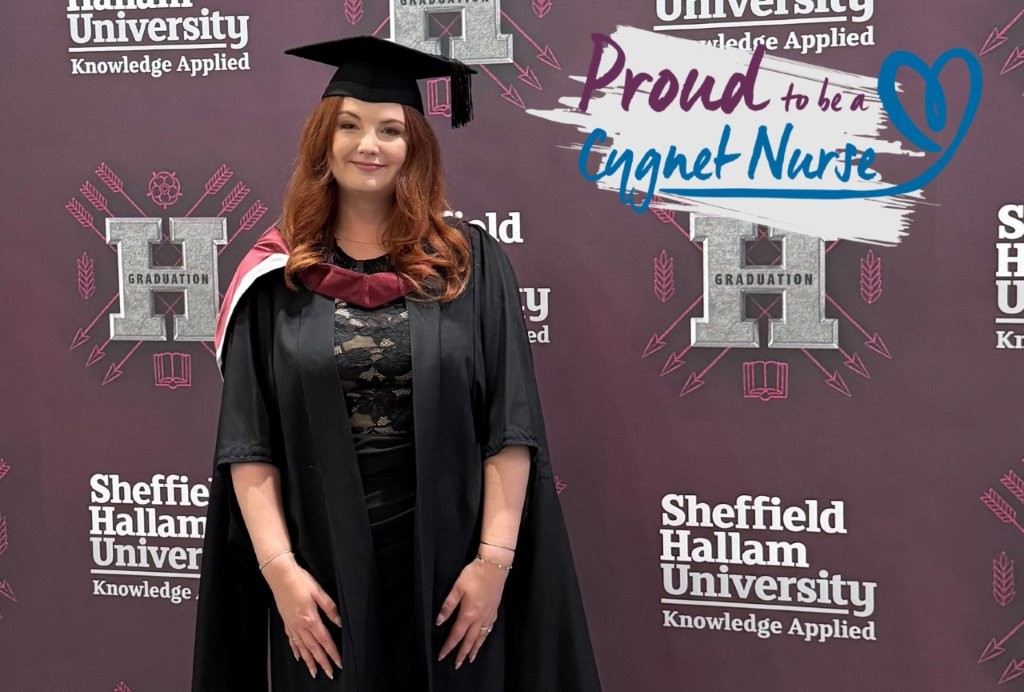
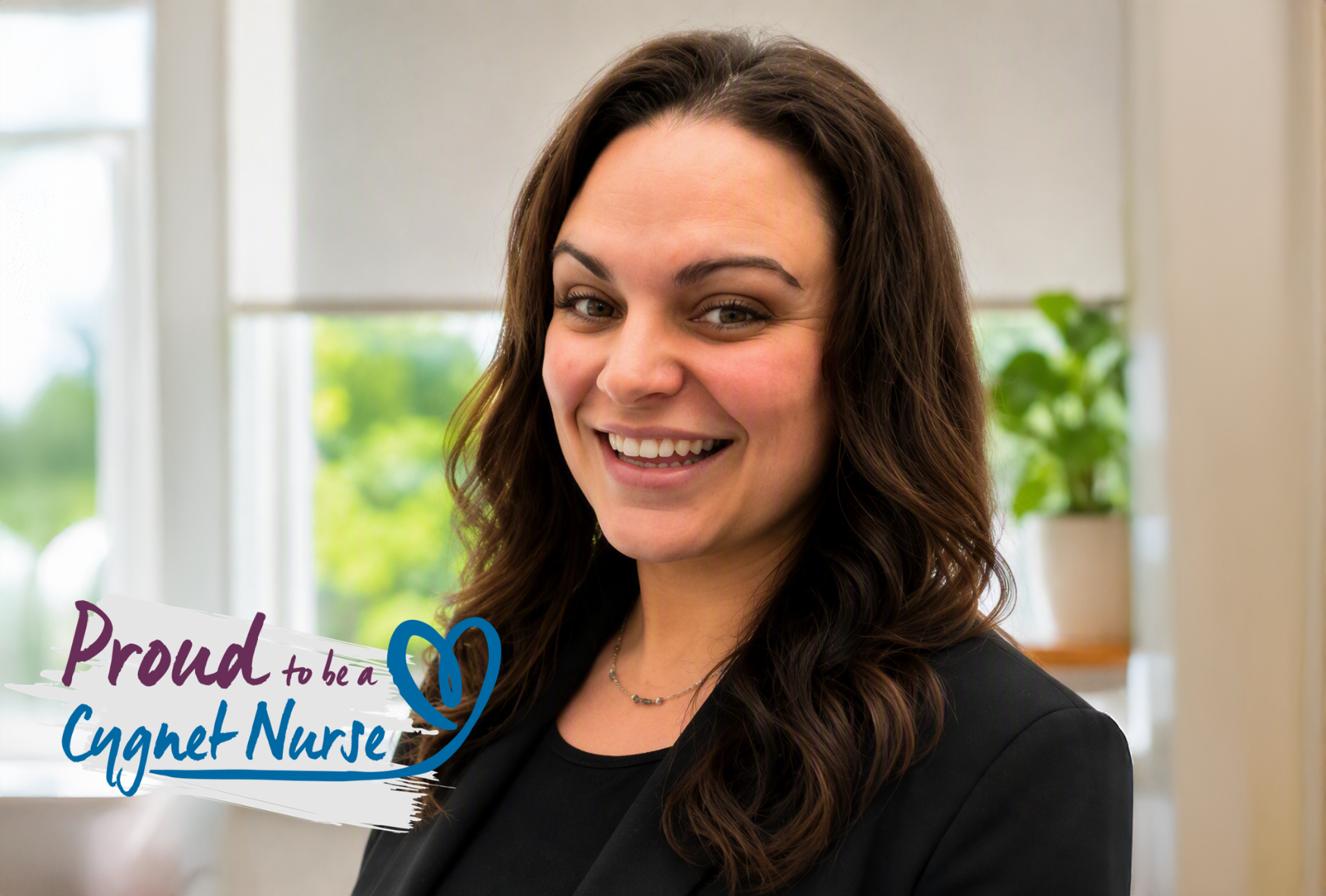
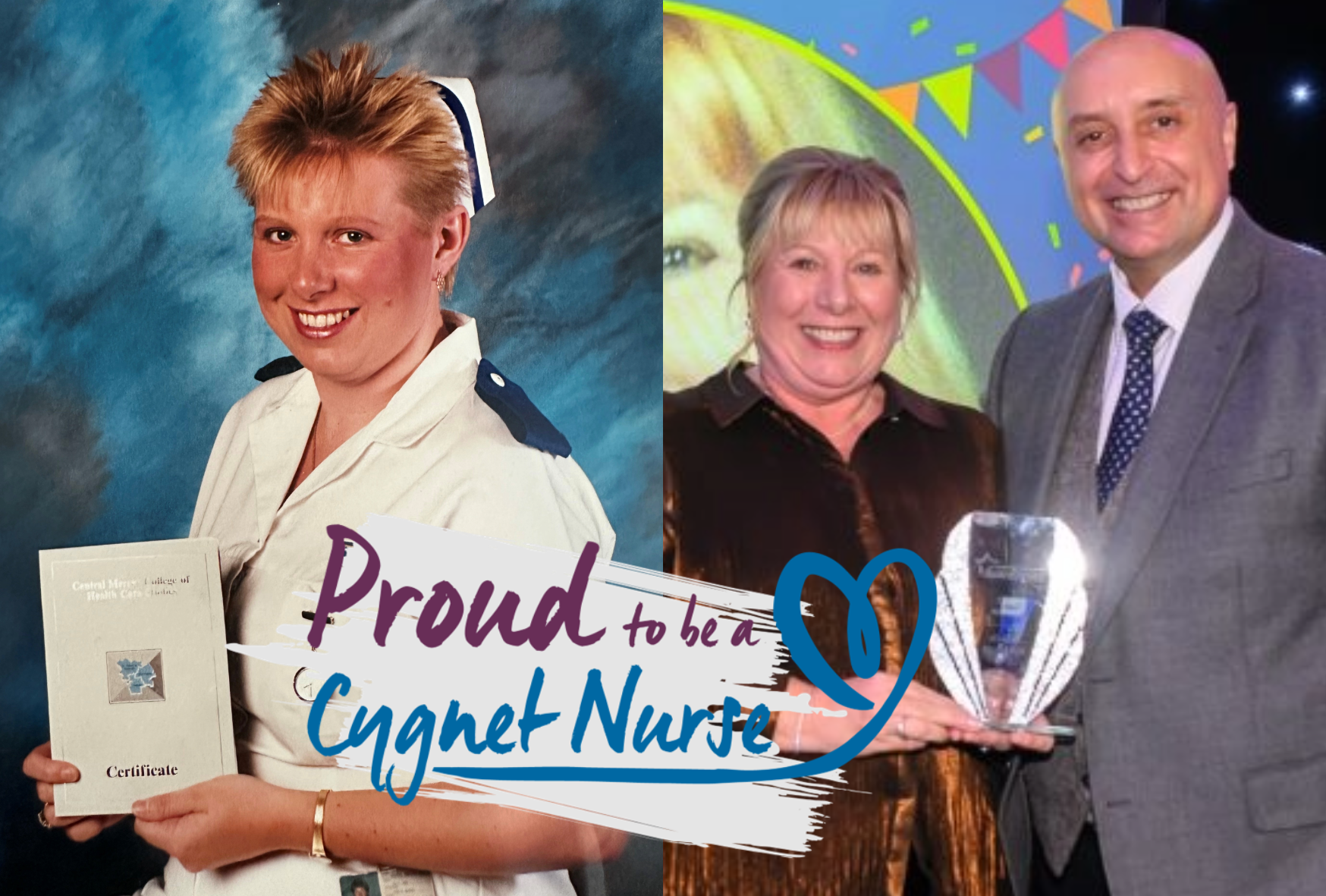
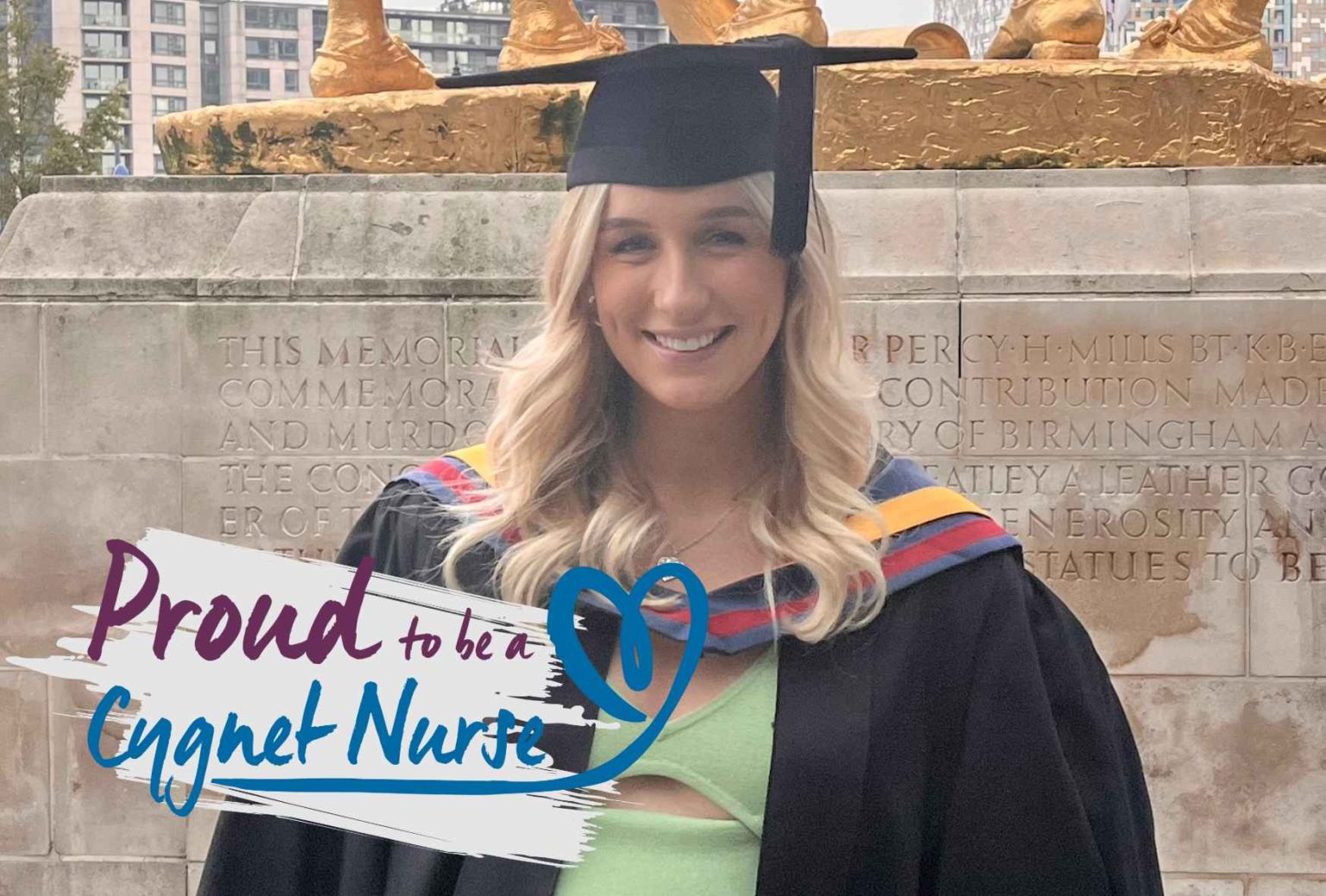
Holly Hunt, Senior RMN at Cygnet Cedars, discusses the powerful reasons why she’s Proud to be a Cygnet Nurse and why she supports Cygnet’s Cancer Awareness & Prevention Campaign.
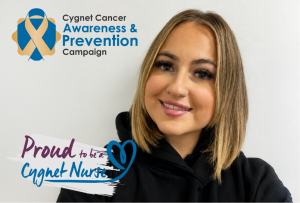
For Holly, nursing got personal. After her aunt’s cancer symptoms were missed until a late diagnosis, Holly made it her mission to ensure people with learning disabilities aren’t overlooked.
Holly now co-leads work to create accessible cancer awareness tools that help all our service users understand their bodies, spot changes, and speak up sooner. Below, Holly shares why this work matters so deeply to her…
When people think about mental health nursing, they may not consider the role we play in supporting physical health, too. But for us as nurses, the two are deeply connected – because caring for someone’s mental health means caring for them as a whole person.
Cygnet’s Cancer Awareness and Prevention Campaign is a pioneering initiative designed to improve early cancer detection and ensure equal access to screening for individuals with learning disabilities and mental health conditions. It focuses on removing healthcare barriers through education, resources, and clinical support across all of Cygnet’s Services.
Why Cancer Awareness Matters to Me
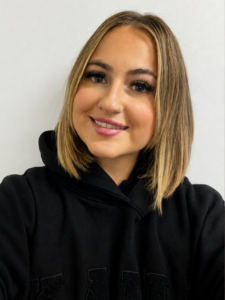
Cygnet’s year-long Cancer Awareness and Prevention Campaign isn’t just something I support professionally. It’s something that’s become very personal to me – and it’s something I am deeply committed to embedding across our services. Early cancer diagnosis and effective treatment saves lives. But we know that people with learning disabilities and mental health conditions, who are diagnosed with cancer, face poorer outcomes.
Throughout the year, Cygnet is sharing appropriate resources to help the people in our care understand the signs and symptoms of a variety of cancers and to support them if they are facing a diagnosis, to ensure they receive appropriate, compassionate treatment. Of course, this campaign will also benefit our colleagues – and their families and friends – by helping all of us become familiar with the signs and symptoms of cancer, break the taboos which prevent people discussing them, and hopefully lead to timely diagnosis and treatment.
The Moment It Became Personal
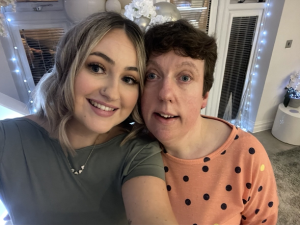
Last year, my family was hit with something that I think so many people can sadly relate to. My auntie Michelle – who is one of the most independent, kind, and joyful people you could ever meet – was diagnosed with breast cancer. Michelle lives with learning disabilities and has support from another organisation.
Michelle isn’t very good at expressing pain, which we know can be common for people with learning disabilities. She had actually been covering a wound with plasters for months without telling anyone. It was only by chance that a support worker noticed and raised the alarm. By the time she was seen and diagnosed, it became clear Michelle would need major surgery.
The doctors initially assumed it was likely to be cancerous because of how large the tumours were (8.5cm and 5cm) from the immediate testing they did. They then completed an extensive biopsy on these lumps, which came back non-cancerous, and we shared this news with Michelle.
However, the lumps were so large that we discussed with Michelle that she would have to have a mastectomy as a precaution. Following this surgery, both lumps were tested, which came back, several weeks later, as cancerous. This was a shock to us all, and it became all systems go to ensure Michelle would be cancer-free.
Michelle needed further surgery to remove her lymph nodes, followed by radiotherapy. It was a rollercoaster, going from having good news to bad news. The process was challenging for all the family, and especially for Michelle.
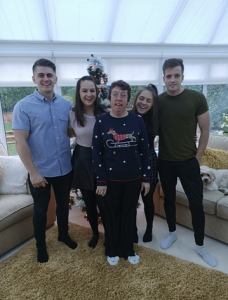
The good news is that Michelle responded well to treatment and is enjoying life again. The experience made me realise it didn’t have to get to the point of her being so advanced and needing such drastic treatment. And I appreciate more than ever how vital it is that we provide robust screening and support services to raise awareness of cancer, and help people in our care if they do receive a diagnosis.
Michelle is strong – she handled everything like an absolute trooper, even reassuring the rest of us – but watching someone you love go through that, knowing that earlier intervention could have made such a difference, is driving me forward to prevent other people experiencing the same challenges.
Why This Campaign Matters So Much
In our Services, we support individuals who may not always be able to recognise changes in their bodies, or may struggle to communicate when something isn’t right. And it’s vital that we have those conversations, and ask questions appropriately – being aware of lumps and bumps, changes and pain, as well as understanding bowel habits and knowing what their “normal” is.
And that’s exactly why Cygnet’s campaign matters. It’s about closing that gap – making sure that the people we support have the knowledge, the confidence, and the support to speak up about their health.
Turning Awareness into Action
One of the things I’ve been most proud to be part of is helping to introduce easy-read cancer screening tools within our service. These are simple, accessible ways for service users to understand their bodies and recognise when something isn’t right – because if someone doesn’t understand what they’re being asked, how can we expect them to answer honestly?
And we’ve already seen the impact. Two service users came forward after using these tools and shared that they had found lumps. Both were able to go to the GP and get checked. Thankfully, neither turned out to be cancer, but they received appropriate, compassionate treatment before their symptoms developed into something more serious.
They spoke up. They were listened to. And something that could have been missed… wasn’t. Even now, thinking about that gives me goose bumps….
…..”Because that’s what nursing is all about – those moments where something small leads to something life-changing…’’
Why I Became a Nurse
I’ve always known I wanted to help people. Even when I was younger, I was fascinated by mental health. I used to run a blog where people would reach out and ask about anxiety, depression, and how they were feeling – and I’d sit there, researching everything I could, just trying to make someone feel a little less alone.
That’s always been my motivation: to be that support for someone, especially when they feel stuck or overwhelmed.
Because mental illness can be a very lonely place. And if I can be the person who helps someone feel heard, or helps pull them out of that loop – even slightly – then I’m doing what I came into this profession to do.
Why I’m Proud to Be a Cygnet Nurse
Cygnet has given me the opportunity to turn my passion into something that genuinely makes a difference. This was my first job as a newly qualified nurse, and in the last three years, I’ve had the chance to be involved in projects like this cancer awareness campaign – projects that go beyond day-to-day care and tackle real inequalities in healthcare.
Cygnet Cedars isn’t just a place I come to work – it’s where I’ve found a team that genuinely cares and wants to do better for the people we support. We’re encouraged to go that extra mile. To ask the questions. To challenge the gaps. To make change happen. And that’s something I’m incredibly proud to be part of.
Small Conversations Save Lives
If there’s one thing I’ve taken from both my personal experience and my work, it’s this: We need to talk more. We need to get comfortable asking about changes in our bodies. We need to support our service users to understand what’s “normal” and what isn’t. And we need to stop letting important questions go unasked. Because sometimes, it’s those conversations – simple, honest, maybe even uncomfortable – that make all the difference.
The Difference We Can Make
Cygnet’s cancer awareness and prevention campaign is about more than just information – it’s about empowerment. It’s about making sure no one is left unheard. No symptom is overlooked. And no opportunity for early intervention is missed.
For me, this campaign isn’t just part of my job. It’s personal. It’s purposeful. And it’s exactly why I’m Proud to be a Cygnet Nurse.
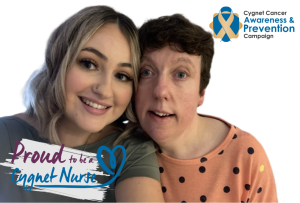
Holly’s story is a powerful reminder that mental and physical health are inseparable — and that awareness can save lives. Her personal experience and professional commitment drive a heartfelt call for better screening, open conversations, and compassionate support, showing why Cygnet’s Cancer Awareness & Prevention Campaign truly matters.